Top 35 Photographer (USA) – 2021 – 7th 35 Awards

This year over 124,827 professional and amateur photographers from 174 countries participated in the annual photography competition and submitted a total of 21,283 photographs. I am truly humbled by this recognition and want to thank all who supported me. These awards would not have been possible without the amazing opportunities I had to photograph some of the most beautiful and wild places on our planet. I look forward to continuing and pursuing my passion for photography while sharing my work with the world. Thank you!

35 AWARDS (Web Instagram | Facebook) :

I am honored and grateful to announce that I was awarded:
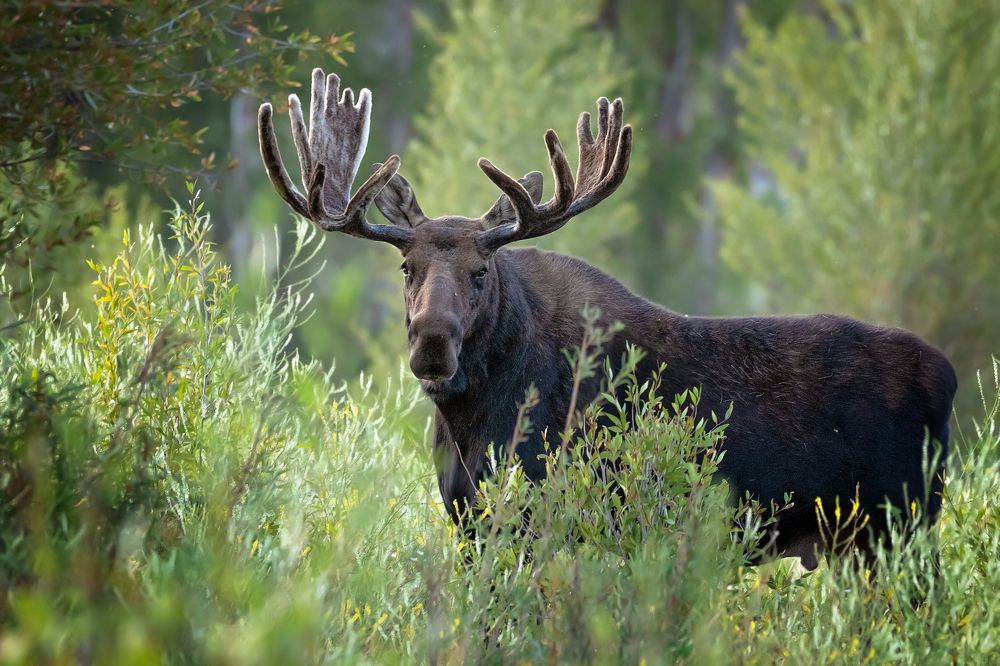
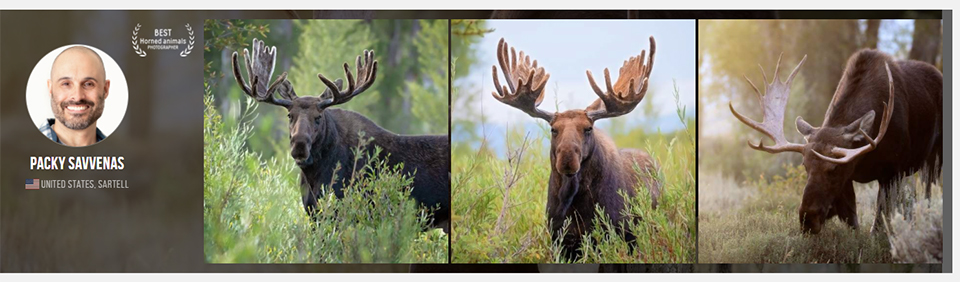
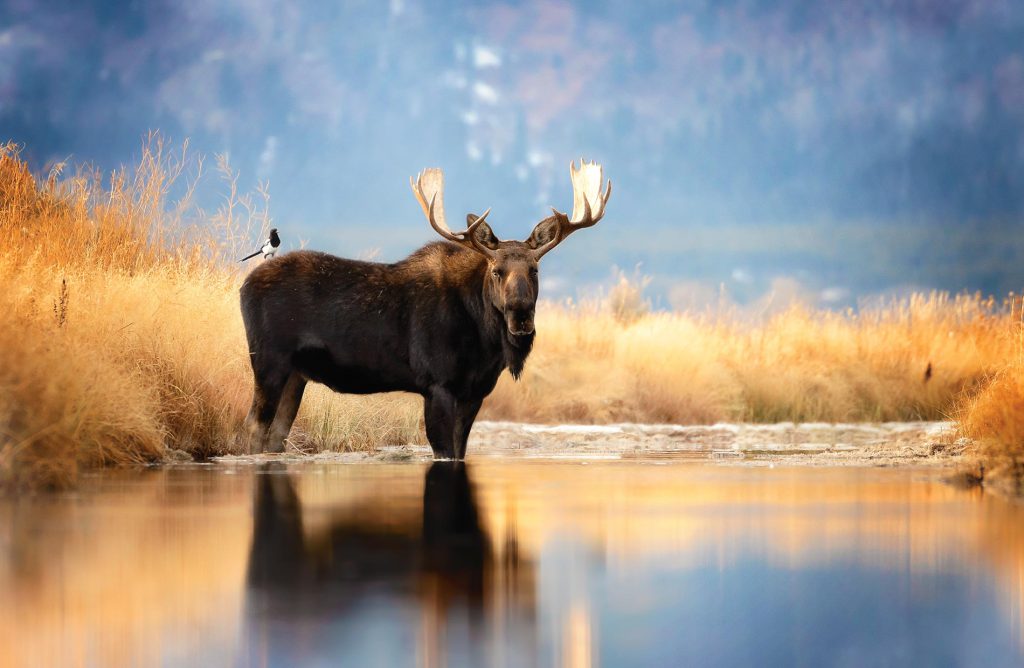
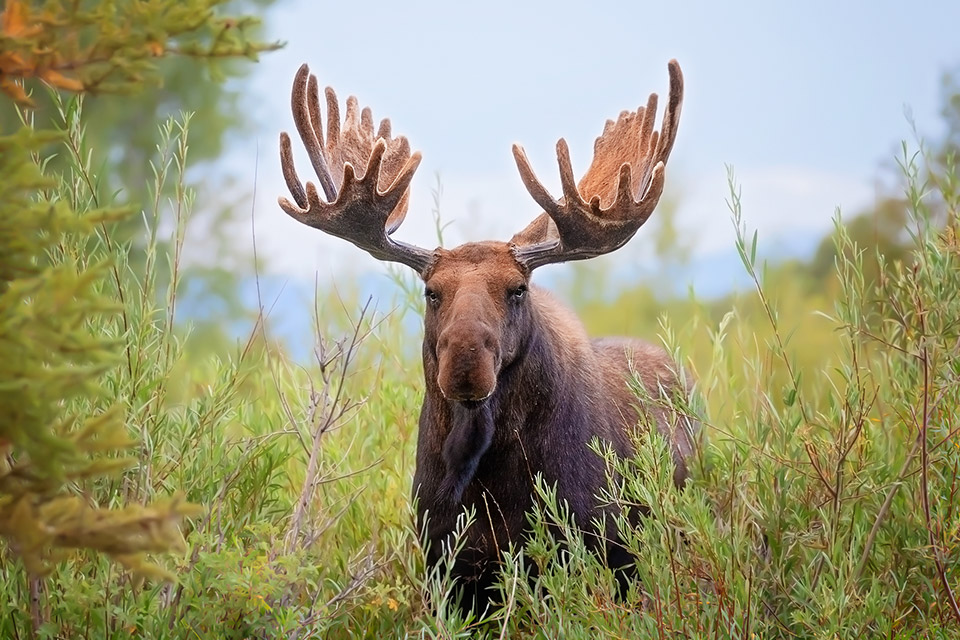
(Horned Animals) Wildlife Photography Winner – 2021

Packy Savvenas - Photography Award - Best Horned Animals

I was so excited to hear back from one of the world’s largest photography competitions: 35 AWARDS.
(Web Instagram | Facebook)

This year, over 1610 professional and amateur photographers from 173 countries participated in our annual contest with a total submission count exceeding 3,742 photos (crazy numbers!)


Best Horned Photography - Packy Savvenas

Packy Savvenas - Photography Award - Best Horned Animals - Stack


Top 35 Photographer (USA) – 2020 – 6th 35 Awards

Get Better Wildlife Photo Today - Greek Mountain Man

I am beyond thrilled to have received word from the 35awards – one of the world’s largest photography competitions.

35 AWARDS. (Web Instagram | Facebook)

One of my images was also selected to be a part of the annual Catalogue. This is a huge accomplishment, and I am so thankful to have my work recognized on this global scale. I cannot wait to see what the future holds, and hopefully, this is just the beginning of many more awards to come!

This year, over 123,000 professional and amateur photographers from 173 countries participated in the annual photography competition and submitted a total of 444,000 photographs. The photographs were judged in three different stages and 119 million votes were received. Ultimately, 50 professional photographers from 50 different countries selected the winners from the photographs that received the most votes.

35 Awards 6th Packy Savvenas

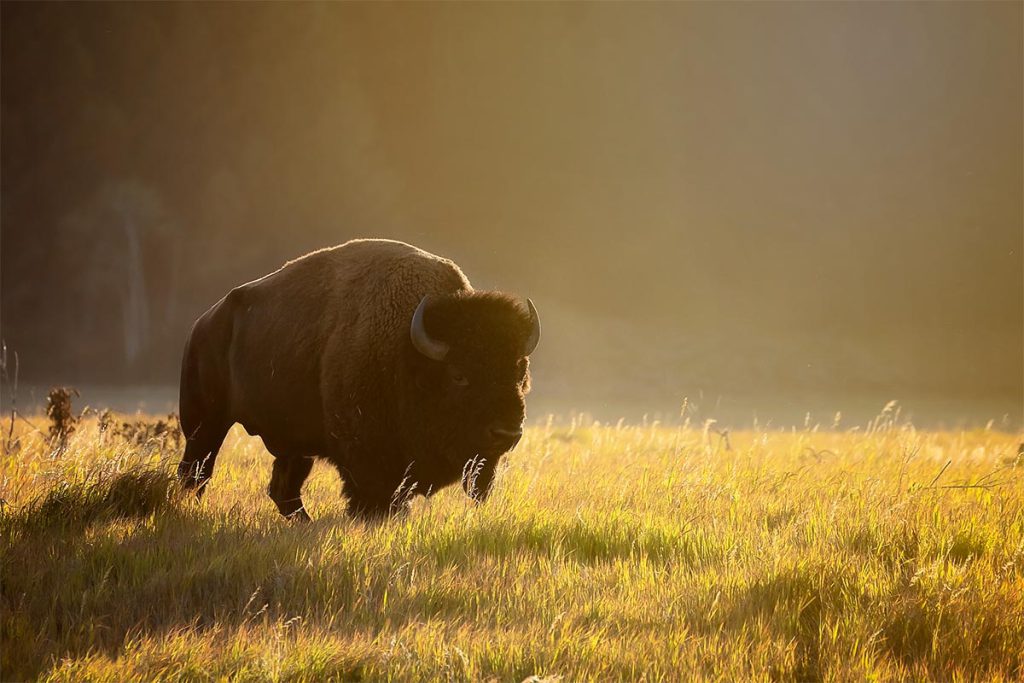
I am honored and grateful to have been named as one of the 100 Best Photos of 2020, as well as one of the Top 35 Photographers in the United States (across all categories, not just wildlife) and Top 50 Wildlife Nomination.


Wildlife Photography Cheat Sheet

Capture Wildlife at Its Best: ISO, Aperture, and Shutter Speed – Wildlife Photography Cheat Sheet Giveaway

Are you tired of missing the perfect shot of that stunning bird or majestic animal? Do you want to take your wildlife photography to the next level? Then it’s time to master the trio: ISO, aperture, and shutter speed. These three settings are the key to capturing stunning images of wildlife with the right exposure and creative control.

But with so many technical terms and settings, it can be overwhelming to know where to start. That’s why we’ve put together a comprehensive wildlife photography cheat sheet that will make understanding ISO, aperture, and shutter speed a breeze.

Here’s a sneak peek of what you’ll find in this cheat sheet:

ISO:

  • What it is: ISO measures the sensitivity of your camera’s sensor to light.
  • Best practices for wildlife photography: Keep ISO as low as possible to reduce noise (graininess) in your images, especially when shooting in low light conditions.
  • How to adjust:
    1. Locate the ISO setting on your camera. It may be in the menu or accessible through a physical button or dial.
    2. Adjust ISO in increments, such as 100, 200, 400, 800, and so on.
    3. Start at the lowest ISO value and increase as needed.
    4. Take test shots and review them to see how the change in ISO affects the exposure.
    5. Repeat this process until you achieve the desired exposure.

Aperture:

  • What it is: Aperture refers to the size of the opening in the lens that lets light into the camera.
  • Best practices for wildlife photography: Use a wide aperture (low f-number) to isolate your subject from the background, which can help reduce distractions and make your subject stand out.
  • How to adjust:
    1. Locate the aperture setting on your camera. It may be in the menu or accessible through a physical button or dial.
    2. Adjust aperture by changing the f-number, such as f/1.8, f/2.8, f/4, and so on.
    3. Take test shots and review them to see how the change in aperture affects the depth of field.
    4. Repeat this process until you achieve the desired depth of field.

Shutter Speed:

  • What it is: Shutter speed refers to the amount of time that the shutter remains open to allow light into the camera.
  • Best practices for wildlife photography: Use a fast shutter speed to freeze action, especially when shooting moving wildlife, and a slower shutter speed to capture motion blur for creative effect.
  • How to adjust:
    1. Locate the shutter speed setting on your camera. It may be in the menu or accessible through a physical button or dial.
    2. Adjust shutter speed in fractions of a second, such as 1/60, 1/125, 1/250, and so on.
    3. Take test shots and review them to see how the change in shutter speed affects motion.
    4. Repeat this process until you achieve the desired motion effect.

With this cheat sheet in hand, you’ll be able to take control of your camera and capture stunning wildlife photos with ease. Don’t miss out on this opportunity to improve your photography skills and take your wildlife photography to the next level. Download your free wildlife photography cheat sheet today and start capturing wildlife at its best!

And here’s a visual representation of the information, to help you better understand the concepts: